
• H.no:2/210, Patel park, line par Bahadurgarh, Jhajjar (Haryana)
  • azcosik90@gmail.com
  • +91 82958 13756
GET A APPOINTMENT!
  • Home
  • About us
  • Schedule
  • Services
  • Gallery
  • Contact

Root Canal Treatment (RCT)

  Home   |   Root Canal Treatment (RCT)

What is Root Canal Treatment (RCT)?

Root Canal Treatment (RCT), also known as endodontic treatment, is a dental procedure performed to save a tooth that has been severely damaged or infected at the root level. The procedure involves removing the infected or inflamed pulp from the inside of the tooth, cleaning and disinfecting the root canals, and sealing them to prevent further infection.

Why have root canal treatment?
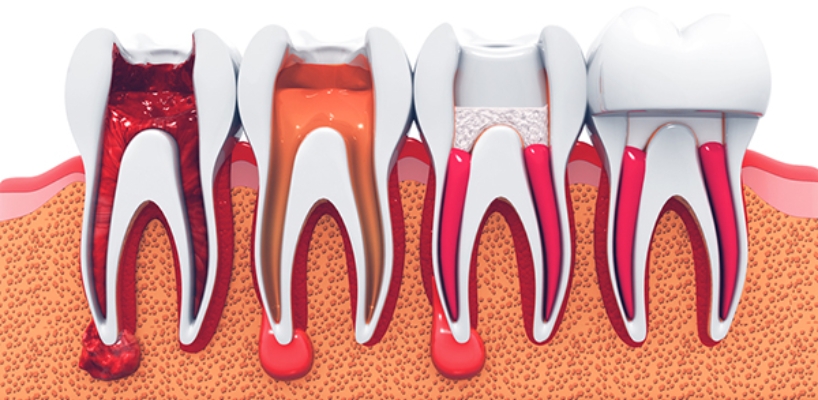
  • Tooth Decay: Tooth decay progresses deep into the tooth, it can reach the pulp, leading to infection and inflammation. Root canal treatment is performed to remove the infected pulp and prevent the spread of decay.
  • Dental Trauma: Teeth that have experienced significant trauma, such as a fracture or injury, can damage the pulp. Root canal treatment may be necessary to address the resulting infection or inflammation.
  • Abscessed Toot: An abscessed tooth occurs when the infection spreads beyond the root of the tooth, forming a pocket of pus. Root canal treatment is often required to remove the infected pulp and alleviate the associated pain and swelling.
  • Deep Dental Fillings: Large or deep dental fillings close to the pulp can cause inflammation and sensitivity. If the pulp becomes infected or damaged due to the fillings, root canal treatment may be necessary.
  • Sensitivity to Heat or Cold: Persistent sensitivity to hot or cold temperatures, even after the stimulus is removed, can indicate a problem with the tooth's pulp. Root canal treatment can address the underlying issue and relieve the sensitivity.
  • Toothache or Severe Pain: A persistent toothache or severe pain, especially when biting or applying pressure, may indicate an infection or inflammation in the tooth's pulp. Root canal treatment is often the recommended solution to eliminate the source of pain.

When is a Root Canal Needed?

If you have a persistent pain that doesn’t disappear even when you’re at rest, it could be a sign of infection. It’s recommended to make an appointment for a root canal exam. Look out for symptoms such as:

  • Facial swelling on the area of the infected tooth
  • Dental abscesses
  • Difficulty in opening the mouth, eating
  • Discharge on the gum area
  • Throbbing or pulsating toothache
  • Great sensitivity to hot and cold
  • Extreme pain when brushing
  • Extreme pain on a previous root canal treatment

Steps in a Root Canal Treatment:

  • Examination and Diagnosis: Your dentist will examine your tooth, evaluate your symptoms, and may take X-rays to assess the extent of the infection or damage. They will determine if a root canal is necessary and discuss the procedure with you.
  • Anesthesia: Before the treatment begins, the area around the affected tooth will be numbed with a local anesthetic to ensure your comfort throughout the procedure. In some cases, dental sedation may also be offered to help you relax.
  • Access and Removal of Pulp: An access hole is created in the tooth, usually through the crown, to reach the pulp chamber. Specialized instruments, such as dental files, are used to carefully remove the infected or inflamed pulp from the root canals.
  • Cleaning and Shaping: The root canals are thoroughly cleaned, shaped, and disinfected using files and irrigating solutions. This step is crucial to remove any bacteria, debris, or infected tissue from the canals.
  • Medication (optional): In some cases, a medication may be placed inside the canals to eliminate any remaining bacteria and reduce inflammation. This medication is typically left in the canals for a temporary period before the next step.
  • Filling the Canals: Once the canals are cleaned and shaped, they are filled with a biocompatible material called gutta-percha. Gutta-percha is a rubber-like material that seals the canals, preventing re-infection.
  • Temporary or Permanent Filling: After the root canal is filled, a temporary filling may be placed to seal the access hole temporarily. In some cases, a permanent filling or dental crown may be recommended to restore the tooth's structure and functionality.
  • Braces/Aligners
  • Root Canal
  • Crowns & Bridges
  • Ceramic Veneers
  • Tooth Fillings
  • Smile Makeover
  • Dentures
  • Cosmetic Dentistry
  • Surgical Tooth Extraction
  • Teeth Scaling & Polishing
  • Teeth Cleaning
  • General Dentistry
  • Instant Teeth Whitening
  • Dental Implants
  • Gum Surgeries

Get In Touch

H.no:2/210, Patel park, line par Bahadurgarh, Jhajjar (Haryana)
+91 82958 13756
azcosik90@gmail.com

View More

About Us

At P.R.V Orthodontic and dental care center in Jhajjar, Haryana, we recognize the significance of maintaining optimal oral health, which is why we offer a wide range of comprehensive dental services to meet all your needs.

Quick Links

  • About us
  • Contact
  • Services
  • Gallery
  • Home

Our Services

  • Crowns & Bridges
  • Ceramic Veneers
  • Smile Makeover
  • Dentures
  • Cosmetic Dentistry
Copyright © 2023 P.R.V ORTHODONTIC AND DENTAL CARE CENTER . All Rights Reserved. Design By: 4squaredigital Pvt. Ltd