
What are Dental Implants?
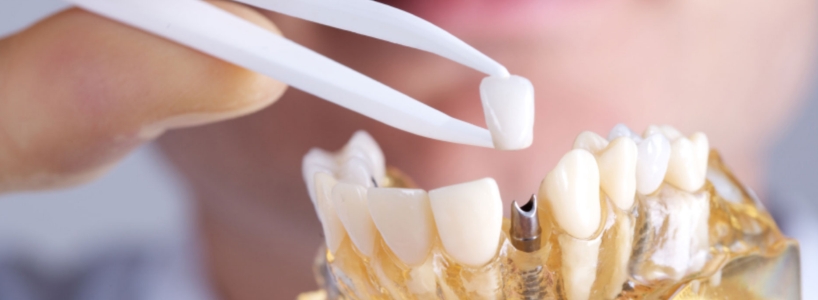
Dental implants serve as prosthetic devices designed to effectively replace missing teeth. These implants typically comprise a titanium metal post that is surgically inserted into the jawbone, serving as a sturdy anchor for the placement of replacement teeth. By utilizing dental implants, individuals can confidently secure either a single replacement tooth or multiple artificial replacements, including bridges or dentures. With their exceptional ability to mimic the appearance, sensation, and functionality of natural teeth, dental implants offer a secure and comfortable foundation for replacement teeth.
When do you need Dental Implants?
Dental implants are an ideal solution for replacing missing or damaged teeth. Unlike temporary alternatives, they offer a permanent and long-lasting remedy. Dental implantation is necessary in situations where teeth are at risk of falling out due to natural wear and tear. By undergoing dental implantation, individuals can restore their ability to bite and chew food effectively, enabling them to enjoy a normal diet.
dental implants can enhance facial proportions and provide a more youthful appearance without altering the natural structure of the face. This treatment option not only restores oral function but also contributes to a more aesthetically pleasing smile. Whether it is improving chewing ability or achieving a more balanced and youthful look, dental implants play a crucial role in enhancing both oral health and overall well-being.
Treatment options with Implants:
Single tooth replacement
Dental implants are a good option for replacing a missing tooth because they provide support for a tooth crown without needing to trim the adjacent natural teeth, which is necessary in a tooth-supported bridge.
Multiple teeth replacement
By using dental implants to provide support from both ends, it’s possible to replace multiple adjacent teeth.
Full-Arch teeth replacement
To replace all the teeth in an arch or jaw, you can opt for the All-on-4 or All-on-6 procedures using either four or six implants respectively. These prostheses typically have a hidden metal or zirconia framework with teeth made of ceramic, zirconia, metal-ceramic, or acrylic.